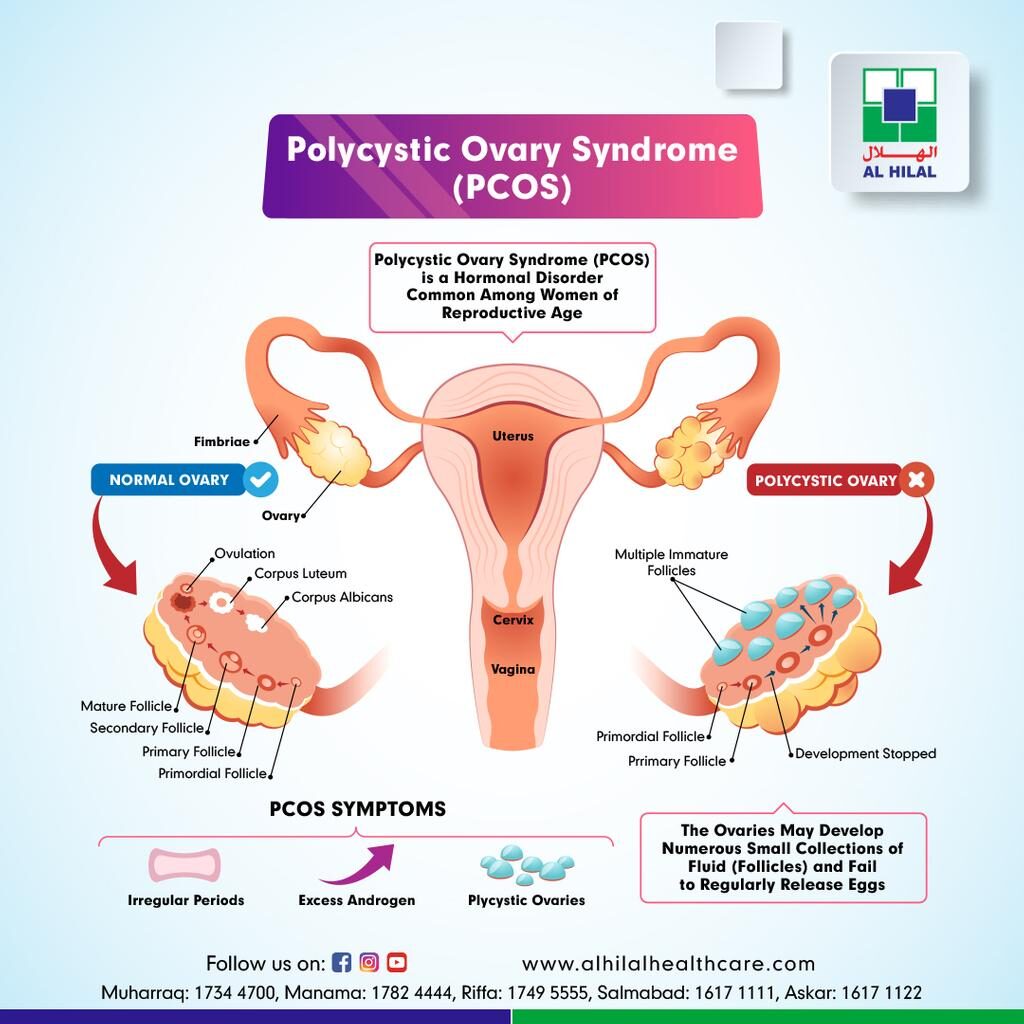
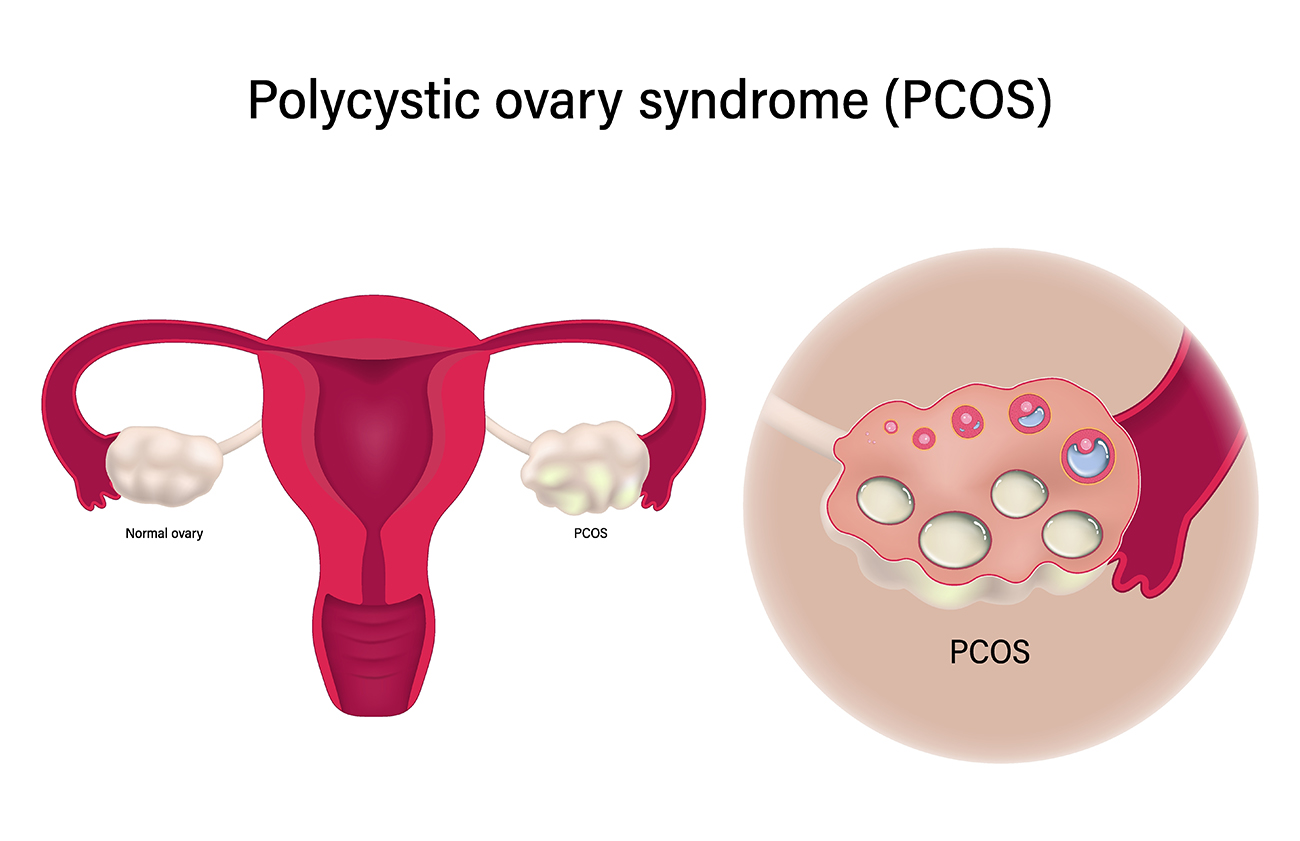
Calorie Counting for Patients with Polycystic Ovary Syndrome (PCOS)
The Importance of Calorie Counting in PCOS Management
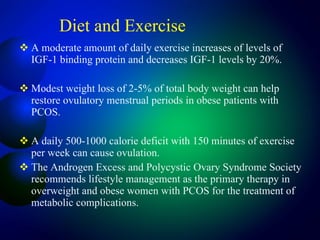
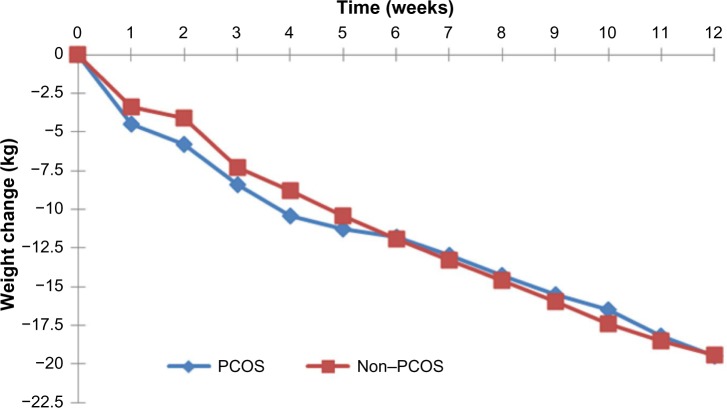
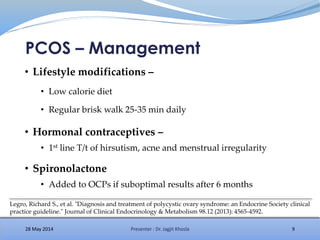
Calorie counting is a crucial aspect of PCOS management, as it helps women with PCOS achieve and maintain a healthy weight, improve insulin sensitivity, and manage other metabolic symptoms associated with the condition. A caloric deficit, achieved through a combination of a healthy diet and regular physical activity, has been shown to be effective in improving glucose homeostasis, lipid profiles, and hormonal markers in women with PCOS.
Developing a Personalized Calorie-Counting Plan

Developing a personalized calorie-counting plan for PCOS patients involves several steps:
- Consulting with a registered dietitian or healthcare provider to determine daily caloric needs and macronutrient ratios.
- Tracking daily food intake using a food diary or mobile application to monitor energy intake and identify patterns of eating.
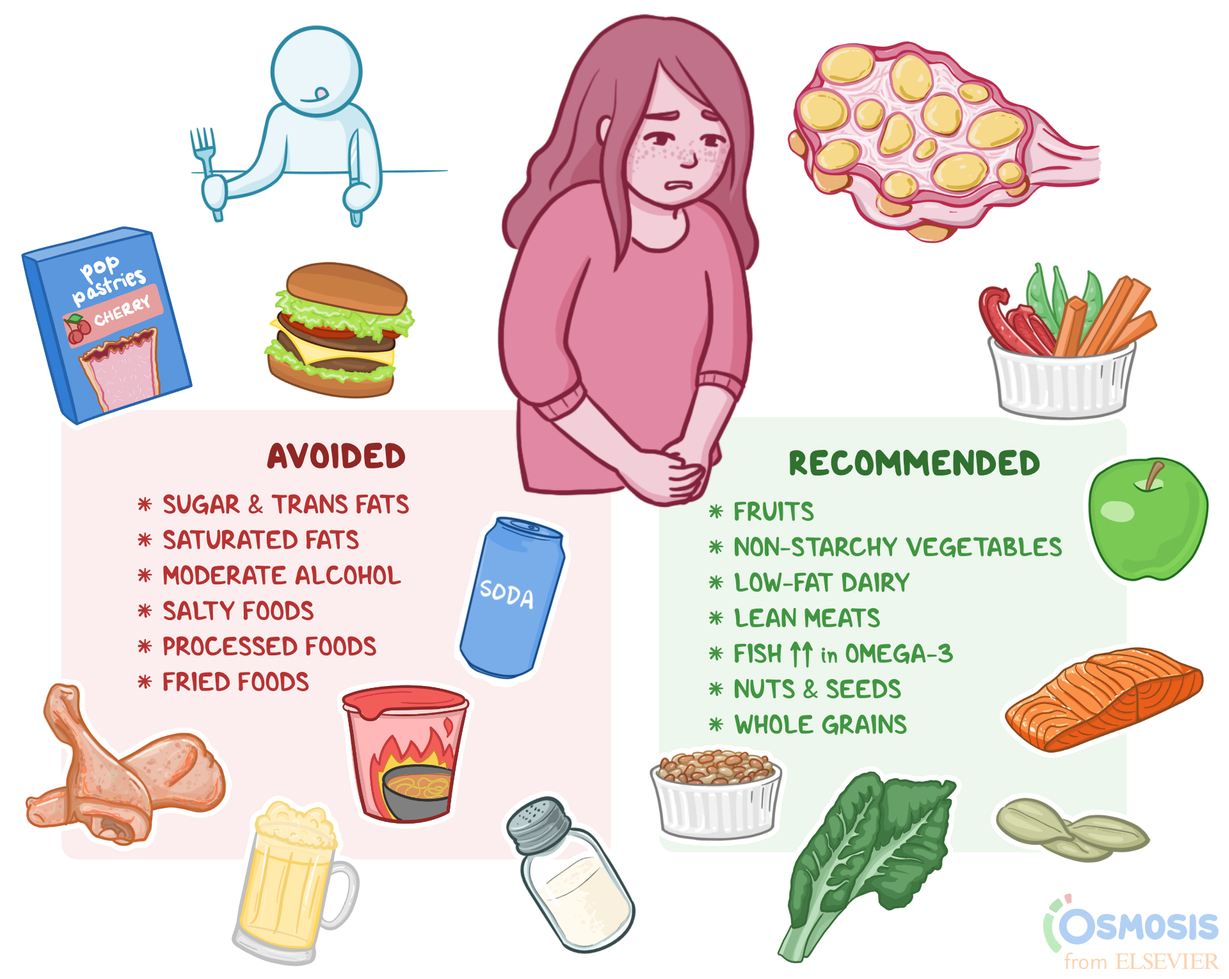
- Creating a meal plan that incorporates PCOS-friendly foods, such as whole grains, lean proteins, fruits, and vegetables, while limiting processed and high-calorie foods.
- Adjusting the meal plan regularly based on progress and feedback from regular monitoring and adjusting as needed.
Tips for Effective Calorie Counting with PCOS

Here are some additional tips for effective calorie counting with PCOS:
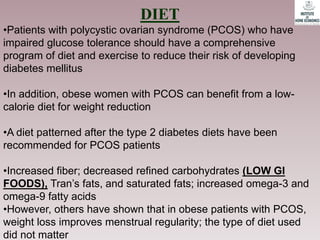
- Focus on nutrient-dense foods, such as fruits, vegetables, whole grains, lean proteins, and healthy fats.
- Limit sources of added sugars, saturated fats, and refined carbohydrates, which can exacerbate insulin resistance and PCOS symptoms.
- Staying hydrated by drinking plenty of water and limiting sugary drinks.
- Getting regular physical activity, such as walking, running, swimming, or yoga, to burn calories and improve insulin sensitivity.
- Managing stress through techniques such as meditation, deep breathing, or yoga to help regulate cortisol levels.